
Papillon is French for butterfly, a reference to the large ears that stand out from the head like wings. A drop-eared version, called the Phalene, competes in the same ring. At 8 to 11 inches, this is a fine-boned toy dog, yet it is a regular winner at the top levels of agility.
Papillon weight by age
| Age | Typical weight |
|---|---|
| 2 months | 2.3 lbrange 1.5–3.3 lb |
| 3 months | 3.2 lbrange 2.3–4.4 lb |
| 4 months | 4.2 lbrange 3.1–5.4 lb |
| 5 months | 5.1 lbrange 4.0–6.3 lb |
| 6 months | 5.7 lbrange 4.5–6.9 lb |
| 8 months | 6.4 lbrange 5.3–7.5 lb |
| 10 months | 6.8 lbrange 5.6–7.7 lb |
| 12 months | 7.0 lbrange 6.0–7.9 lb |
Half of adult weight comes by about 4 months, 90% by about 10 months. The last few percent come on slowly after that.
Adult weight
AKC breed page: 5-10 pounds.
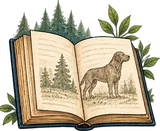 About the Papillon
Papillons descend from the dwarf spaniels of Renaissance Europe, made by crossing toy breeds with spaniels to suit the nobility's taste for small versions of favorite dogs. They became lapdogs of royal courts and show up in paintings by Rubens, Rembrandt, Goya, and Toulouse-Lautrec. Madame de Pompadour, Louis XIV, and Marie Antoinette all kept them, and the queen's dog Thisbe is said to have waited outside her prison. Despite the French name, breeders in Italy and Spain did much of the early refining. AKC registration of the breed began in 1915, and the Papillon Club of America represented the breed from 1935. That spaniel ancestry may explain why the breed is more athletic and trainable than many toys.
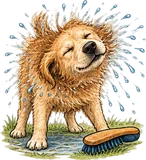 Build, coat and exercise
Papillons are dainty and light, carrying a plumed tail and long, silky hair on a white base. There is no undercoat, so grooming is lighter than the hair suggests: a full session every month or so, with a quick comb between sessions behind the ears, inside the hind legs, and on the thigh hair where mats form. Bathe every few months. Nails grow quickly; watch the dewclaws, which can curl into the leg. Brush teeth regularly. Indoors they love fetching small toys, and outdoors they chase squirrels and even insects in the yard.
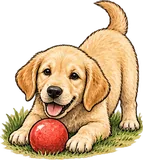 Raising a Papillon puppy
Papillons are tougher than they look but very small, and puppies are especially easy to hurt. Watch them around stairs, furniture, and larger animals, and supervise young children, who can injure a puppy by accident. Papillons don't seem to know their size and will go after a big dog or a cat, so keep an eye on them. Housetraining tends to go more smoothly than with many small breeds. Early socialization and obedience classes help, partly to teach owners not to overindulge. A Papillon left alone for long stretches may develop bad habits, though it can bond with other pets for company.
 Health and care notes
- Patellar luxation. The AKC names slipping kneecaps as a Papillon screening concern, and CHIC requires an OFA patella evaluation done at 12 months or older. Ask for both parents' results.
- Open fontanel. An opening in the skull, like the soft spot on a baby's head. The AKC says responsible breeders screen for it; ask whether the puppy has one.
- Eye disease. The breed's CHIC program calls for eye exams, with screening recommended every two years. Ask for the parents' latest results.
- Heart disease. A cardiac exam appears in the AKC's recommended tests for Papillons and is one of the CHIC elective options, alongside PRA1 and NAD DNA tests. Have your vet listen to the heart at puppy visits.
See Small-breed puppy food on Amazon. As an Amazon Associate we earn from qualifying purchases.
Breed background: AKC: Papillon; OFA CHIC requirements: Papillon. Weight standard: AKC breed page. Growth curves: our analysis of Salt et al. (2017) data. Methods.
