
Beagles in the 13-inch variety stand 13 inches or less at the shoulder and weigh under 20 pounds, but hound people still call them big for their inches. This is the smaller of the breed's two AKC height divisions. It carries the same powerful nose, musical voice, and urge to follow a rabbit trail as the taller variety.
Beagle (13-inch) weight by age
| Age | Typical weight |
|---|---|
| 2 months | 4.6 lbrange 3.3–6.2 lb |
| 3 months | 6.9 lbrange 5.0–9.0 lb |
| 4 months | 9.2 lbrange 7.1–12 lb |
| 5 months | 11 lbrange 9.2–14 lb |
| 6 months | 13 lbrange 10–15 lb |
| 8 months | 15 lbrange 12–17 lb |
| 10 months | 16 lbrange 13–18 lb |
| 12 months | 16 lbrange 14–18 lb |
Half of adult weight comes by about 4 months, 90% by about 9 months and 95% by about 12 months.
Adult weight
AKC breed page: under 20 pounds (13 inches & under), 20-30 pounds (13-15 inches).
 About the Beagle (13-inch)
Small pack hounds were chasing hare in England before Roman troops landed in 55 B.C., and by the 1500s English gentlemen kept compact hounds for hares alongside bigger hounds for deer. Beagles could be followed on foot rather than on horseback. Imports reached America after the Civil War, and the first AKC-registered Beagle dates to 1885. The height divisions came out of field trials. According to the National Beagle Club, a dog just over 12 inches had little chance against a 15-inch hound, so owners of small dogs pushed for a class of their own. The small limit was later raised from 12 to 13 inches, and show classes were changed to match.
 Build, coat and exercise
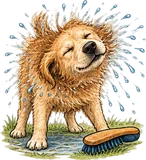
These are sturdy, solid little hounds with long, low-set ears and a smooth, dense double coat. The coat thickens in winter and sheds in spring, with moderate shedding the rest of the year; a weekly once-over with a hound glove or rubber mitt keeps it in check. Small size does not mean low energy. Plan on an hour or more of exercise daily, always on leash or inside a secure fence, because a Beagle on a scent will not come back. The AKC suggests fencing at least five feet high that also extends underground.
 Raising a Beagle (13-inch) puppy
Beagle puppies respond to treats, patience, and positive training, and they shut down with harsh methods. Puppy classes and early socialization are a must. Bred to live and work in packs, Beagles dislike being alone and can get destructive when left for long stretches, so plan for company. Recall is a long project because the nose often wins. Treats help in training but add up quickly, and Beagles are prone to gaining weight. Check those long ears every week.
 Health and care notes
- Hip dysplasia. Hip X-rays head the National Beagle Club's list of recommended tests, a reminder that this small hound was bred to run all day. Ask for OFA or PennHIP results on both parents.
- Hypothyroidism. The breed club includes a thyroid evaluation among its recommended tests, and AKC lists hypothyroidism among Beagle concerns. Ask whether the parents were tested.
- Musladin-Lueke syndrome (MLS). An inherited disorder specific to Beagles, and the one DNA test on the National Beagle Club's list. Ask for both parents' MLS results; a breeder who tests should have them on file.
- Epilepsy. AKC names epilepsy among the conditions Beagle breeders watch for. There is no club DNA test for it, so ask whether seizures have turned up in the puppy's family.
See Small-breed puppy food on Amazon. As an Amazon Associate we earn from qualifying purchases.
Breed background: AKC: Beagle breed page; National Beagle Club: History; AKC Hound Group health testing requirements. Weight standard: AKC breed page. Growth curves: our analysis of Salt et al. (2017) data. Methods.
